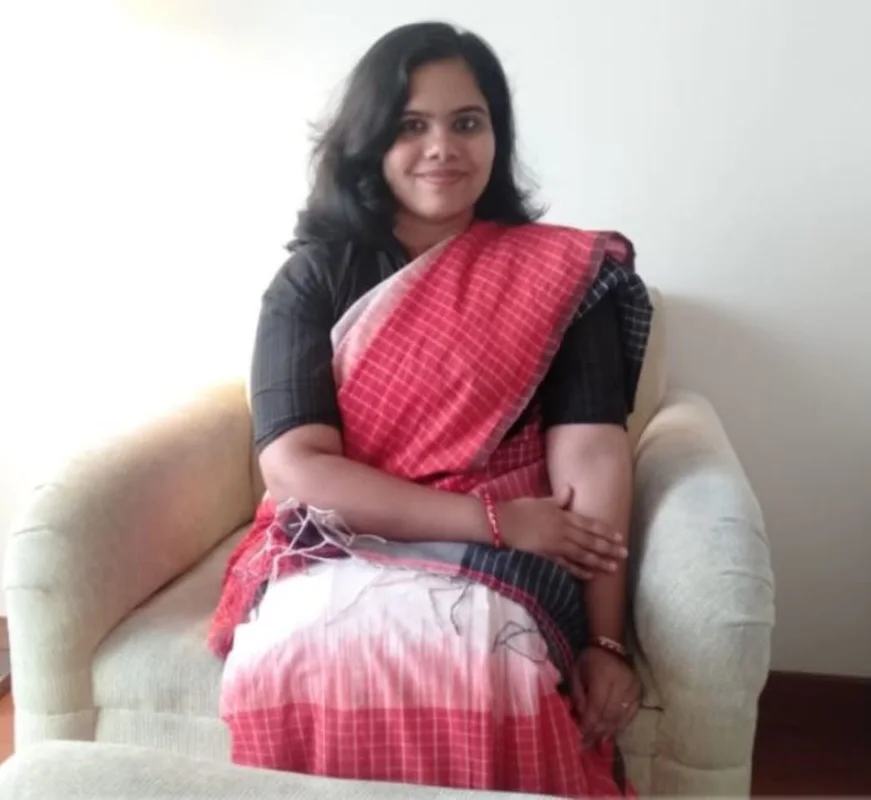
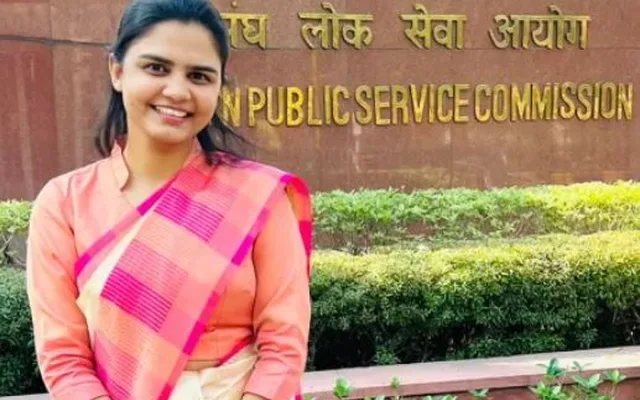
In this post Laxmipriya Upadhyaya AIR-176 CSE-22 has detailed her Agriculture optional sources & strategies.
DDecode Civils
· 3 min read
Hi All,
In this post Laxmipriya Upadhyaya AIR-176 CSE-22 has detailed her Agriculture optional sources & strategies.
Introduction
I am Laxmipriya Upadhyaya. I belong to Puri district of Odisha. Currently I am working as Assistant Conservator of Forest, Odisha Forest Service. This year I have secured AIR 176 in UPSC CSE (2022). This was my fourth attempt, second mains, second interview.
Educational background - I graduated from Orissa University of Agriculture and Technology, Bhawanipatna with B.Sc. (Agriculture Hons.) and then completed my masters and Ph.D. from Indian Agriculture Research Institute, New Delhi as a UGC JRF fellow.
UPSC Journey
I started my UPSC preparation during my second year of PhD in 2019 February. That year, I appeared for prelims and could only secure 67 marks in GS 1.
The second attempt was during the pandemic from home and I was not able to clear Prelims. But I had a great improvement. I was scoring around 88 marks, the cutoff being 92 that year.
For the third attempt, I made my mind to study for mains and keep the optional ready as I had faith to clear prelims. I cleared prelims and mains but could not get a rank. I was around 26 marks away, the cutoff being 953 that year. This is my fourth attempt when I could clear the exam.
Agriculture Optional Strategy
I am a graduate of agriculture. I have taken agriculture as an optional mainly due to three reasons:
It was my graduation subject and I was good at it.
It was consistent in performance. Questions were mostly from reference material and the score was never too low.
I was in a job. I had very little time to read anything new. So preferred to build on whatever I had already known.
Paper-1 Booklist:
Ecology & Climate change: SR Reddy, Internet, evolution notes
Read PYQs and summarise them- I analysed PYQ from the year 2000 and segregated them into subject wise taken from syllabus.
Give a direction to your notes- you will understand what is important and what's not by analysing PYQs. While reading a chapter, give more focus to the area from where questions came before. As I highlighted before, in agriculture optional questions generally repeat from important areas. Advice is not to ignore other areas but to focus more on the important areas. Follow the 80- 20 rule.Make notes after reading books many times. Add on to your notes from various sources. For example- I had added various new research findings in plant breeding and crop science.
In paper 1, add some current affairs related to it or some data as it is broad in nature.
You have to be very accurate in definitions especially in paper 2. Try to stick to scientific words and terms and do not write general statements.
Revise frequently. The reference books are bulky and more in number. So repeated revision is needed.
Go for one standard book and add information to it from other sources as per your time and need.
I relied mostly on reference books and used coaching materials and the internet very selectively.
I took help from J Jorben's (IARI) daily answer writing in his telegram channel and wrote Thorun Sir's mock. It helped me to add value.




 20
Nov 2026
 20
Nov 2026
 20
Nov 2026










1 comment
Discussion
Aishwarya
Sir please put history optional strategies